If you’ve ever lived with an older cat, you know the shift when they move into their senior years. They slow down a little. Jumps take more effort. Their coat doesn’t look as silky on its own anymore. And the grooming habits they were once obsessed with start to slip. It’s subtle at first, but you will feel it. That’s exactly why senior cat grooming becomes something you can’t ignore.
Older cats aren’t being lazy—their bodies simply don’t move the way they once did. Conditions like arthritis, stiffness, reduced flexibility, and even dental pain can make self-grooming difficult. As a result, the responsibility gradually shifts to us, their humans, to provide gentle support at home.
Here’s a clear breakdown of what changes as cats age and how you can help them stay clean, comfortable, and feeling like themselves through proper grooming care.
Why Senior Cats Need Extra Grooming Support
Mobility Declines Faster Than You Think
Cats hide pain better than most animals, and seniors hide it even more. They’ll try to reach their back or hips the way they always have, but you’ll see little signs: shorter grooming sessions, patchy fur, greasy spots, or mats forming where their flexibility limits the reach.
This is one of the biggest reasons senior cat grooming care matters. What used to be a simple daily ritual becomes physically taxing.
Coat Quality Changes With Age
As cats age, their skin dries out, their oil glands behave differently, and the coat loses its natural shine. Without regular brushing from you, older cats end up with clumps, knots, dandruff, or dull fur that traps dirt.
Small issues become big ones quickly because seniors don’t shed normally. They keep holding on to loose fur, which leads to matting.
Hygiene Problems Are Common
Here’s a detail people don’t talk about enough. Grooming isn’t only about fur. Seniors struggle with:
- Cleaning around the rear
- Reaching under their belly
- Wiping tear stains
- Maintaining clean paws
- Preventing odors
This isn’t neglect. Their bodies just don’t bend the way they once did, which can lead to hygiene issues, skin irritation, and infections.
That’s where consistent senior cat hygiene tips really make a difference.
The Essentials of Senior Cat Grooming at Home
1. Gentle Brushing (More Often Than Before)
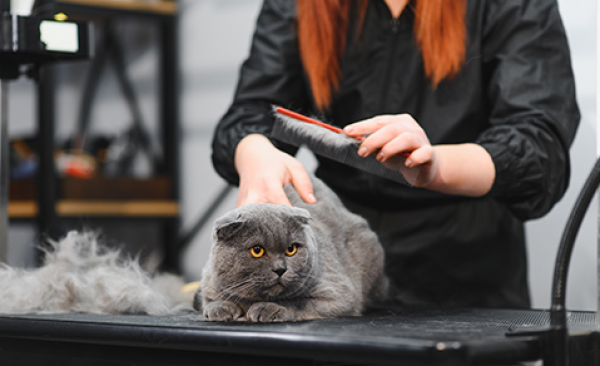
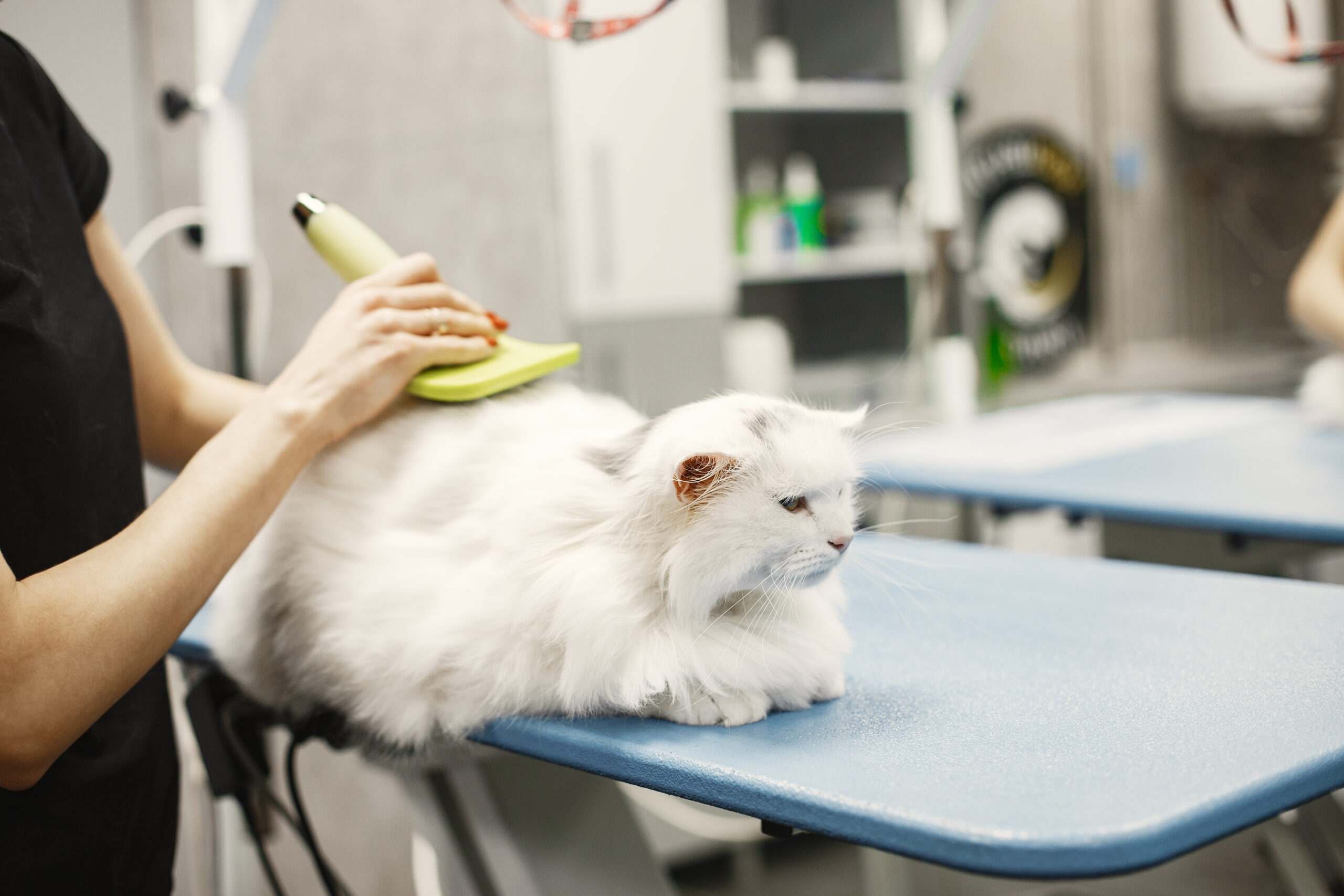
For older cats, brushing isn’t just cosmetic. It helps with circulation, reduces hairballs, prevents mat formation, and keeps the skin healthy. The trick is using:
- Soft-bristle brushes
- Rubber grooming gloves
- Wide-tooth combs for mats
Avoid aggressive brushing. Seniors have thinner, more sensitive skin. Cat grooming should be safe in order to keep the skin healthy.
A few minutes every couple of days is enough to keep them feeling comfortable.
2. Spot Cleaning for Hard-to-Reach Areas
This one matters more than people realize. When seniors can’t reach their back end or belly, the fur collects moisture, dirt, and bacteria. You can help by:
- Using pet-safe wipes
- Trimming small tangled patches
- Gently cleaning tear stains
- Wiping paws after litter use
These little adjustments make a senior cat feel fresher instantly.
3. Managing Mats Without Stress
Mats form quickly on older cats, especially around the hips, chest, and belly.
Here’s the honest truth: never pull them apart. Senior cat skin is too delicate.
Instead:
- Work slowly with a wide comb
- Use detangling spray
- Consider small, careful trims
And if it looks too tough, that’s the moment to call a professional groomer rather than risk hurting your cat.
4. Regular Nail Care
Because seniors move less, their nails grow faster and curl inward more easily. That can cause pain or even grow into the paw pads.
A quiet trim every few weeks prevents injuries and keeps mobility comfortable.
5. Bathing Only When Truly Necessary
Most senior cats don’t need full baths often. But when you do need one, make it a quick, warm, low-stress experience. Choose a mild, senior-friendly shampoo and keep the water shallow. The goal is comfort, not a makeover.
Special Considerations for Senior Cats
Watch for Pain
If your cat flinches, stiffens, or reacts to touch in certain areas, that’s a sign of physical discomfort. Adjust grooming around those zones and mention it to your vet.
Keep Sessions Short
Older cats get tired quickly. Instead of one long grooming session, break it into five-minute moments spread over the week.
Stay Calm and Slow
Senior cats pick up on tension. Move slowly, talk softly, and give them time to adjust.
This isn’t about perfection. It’s about connection and care.
Senior Cat Hygiene Tips That Make Life Easier
Here are simple habits that keep an older cat clean and comfortable without overwhelming them:
- Place grooming tools where your cat relaxes
- Warm up the brush slightly to make it soothing
- Keep their sleeping spots clean to reduce shedding buildup
- Trim long fur around the rear to prevent messes
- Use a humidifier to reduce dry skin issues
- Offer joint supplements (ask your vet first) for improved mobility
Small changes add up fast. Seniors feel better when grooming becomes a gentle part of your routine rather than an occasional chore.
When to Seek a Professional Groomer
There are moments when at-home care isn’t enough. Call a professional if your senior cat has:
- Large mats
- Severe grease buildup
- Trouble cleaning themselves at all
- Dandruff patches that keep returning
- Difficulty with nail trims
- Thick undercoat that sheds in clumps
Groomer Pet Salon understands senior cat grooming and handles these issues without causing pain or stress. Sometimes that extra help prevents bigger health problems later.
Final Thoughts
Senior cats aren’t weak — they’re simply aging in their own quiet way. As their bodies change, grooming becomes something they rely on you for. When you help them with calm, steady care, you’re not just keeping them tidy. You’re easing their comfort, supporting their movement, and giving them confidence each day.
And honestly, these small grooming moments often become some of the sweetest parts of living with an older cat. They trust you with what they can’t manage anymore, and that trust makes every bit of effort truly meaningful.
FAQs
1. Why can't my senior cat groom themselves as well as they used to?
Age-related conditions like arthritis, reduced flexibility, and dental pain make it physically difficult and uncomfortable for them to reach and clean their entire body. Their natural grooming habits decline as a result.
2. How often should I brush my senior cat?
Aim for gentle, short brushing sessions a few times a week. This frequency helps prevent mats and hairballs without overtiring your cat, as their skin is more sensitive.
3. What should I do if my senior cat has mats in their fur?
Never pull or cut mats tightly against the skin. Instead, work them apart gently with a wide-tooth comb or detangling spray, or seek a professional groomer to avoid injuring their delicate skin.
4. Do senior cats need baths?
Typically, no. Full baths are only necessary for significant soilage and should be quick, warm, and use a mild shampoo. Spot cleaning with pet wipes is often sufficient for routine hygiene.
5. What grooming tools are best for a senior cat's sensitive skin?
Opt for soft-bristle brushes, rubber grooming gloves, or wide-tooth combs. These gentle tools help stimulate circulation and remove loose fur without causing irritation or discomfort to their thinner, more delicate skin.
Recent Post
Dog Grooming Signs You Should Never Ignore
Top 5 Reasons to Book a Professional Dog Grooming Services
Affordable and Professional Cat Grooming in Dubai