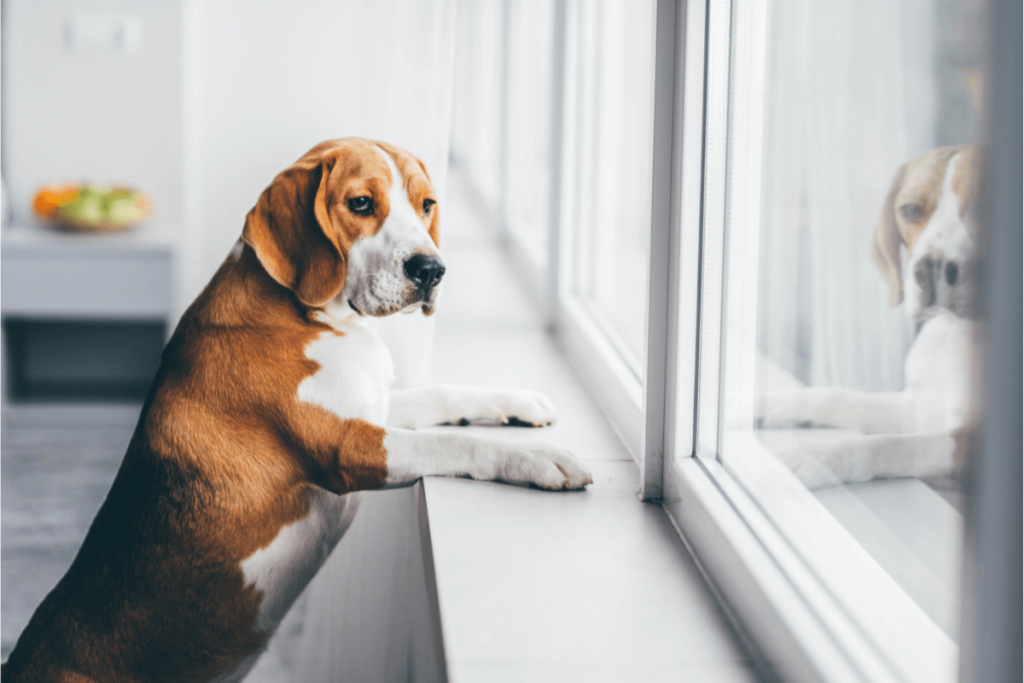
In the high velocity landscape of Dubai in 2026, your pet is more than a companion. They are a critical biological asset within your household. However, the modern urban lifestyle often requires long hours away from home. This creates a logistical challenge for our pets. Separation anxiety is not a behavioral flaw; it is a clinical breakdown in the animal’s sense of security.
Understanding the signals of distress is the first step in protecting your pet’s mental health. This includes a calm routine for dog pet grooming, so they feel safe. Every part of their day must help them feel secure.
The Canine Perspective Decoding Dog Separation Anxiety Symptoms
Dogs are social animals with a deep evolutionary requirement for pack cohesion. When that cohesion is broken by your departure, some dogs experience a physiological panic attack. These dog separation anxiety symptoms are often misinterpreted as “spite” or “bad behavior,” but they are actually involuntary responses to high cortisol levels.
1. Destructive Output and Asset Damage
One of the most common signs is the destruction of property. This usually focuses on exit points like door frames or window sills. The dog is literally trying to “break out” to find you. This is an inefficient use of their energy and poses a physical risk to the animal.
2. Excessive Vocalization
Howling, barking, or whining that begins immediately after you leave is a distress signal. In a high density environment like a Dubai apartment complex, this also becomes a social friction point with neighbors. This is the dog’s attempt to call the pack back together.
3. Elimination Failures
A house trained dog that has “accidents” only when you are gone is likely suffering from a loss of control due to anxiety. This is a physiological response to fear rather than a failure of training.
The Feline Reality Subtle Cat Separation Anxiety Signs
Cats are often viewed as solitary and independent, but this is a fundamental misunderstanding of their biology. Cats form strong territorial and social bonds. Because their stress signals are more covert, cat separation anxiety signs are frequently overlooked until they reach a critical stage.
1. Inappropriate Urination
This is often the primary indicator. A cat may urinate on your bed or your clothes. This is not an act of rebellion. It is “scent mixing.” By combining their scent with yours, the cat is attempting to feel more secure in your absence. These signs of anxiety in cats when alone are often a cry for environmental stability.
2. Psychogenic Overgrooming
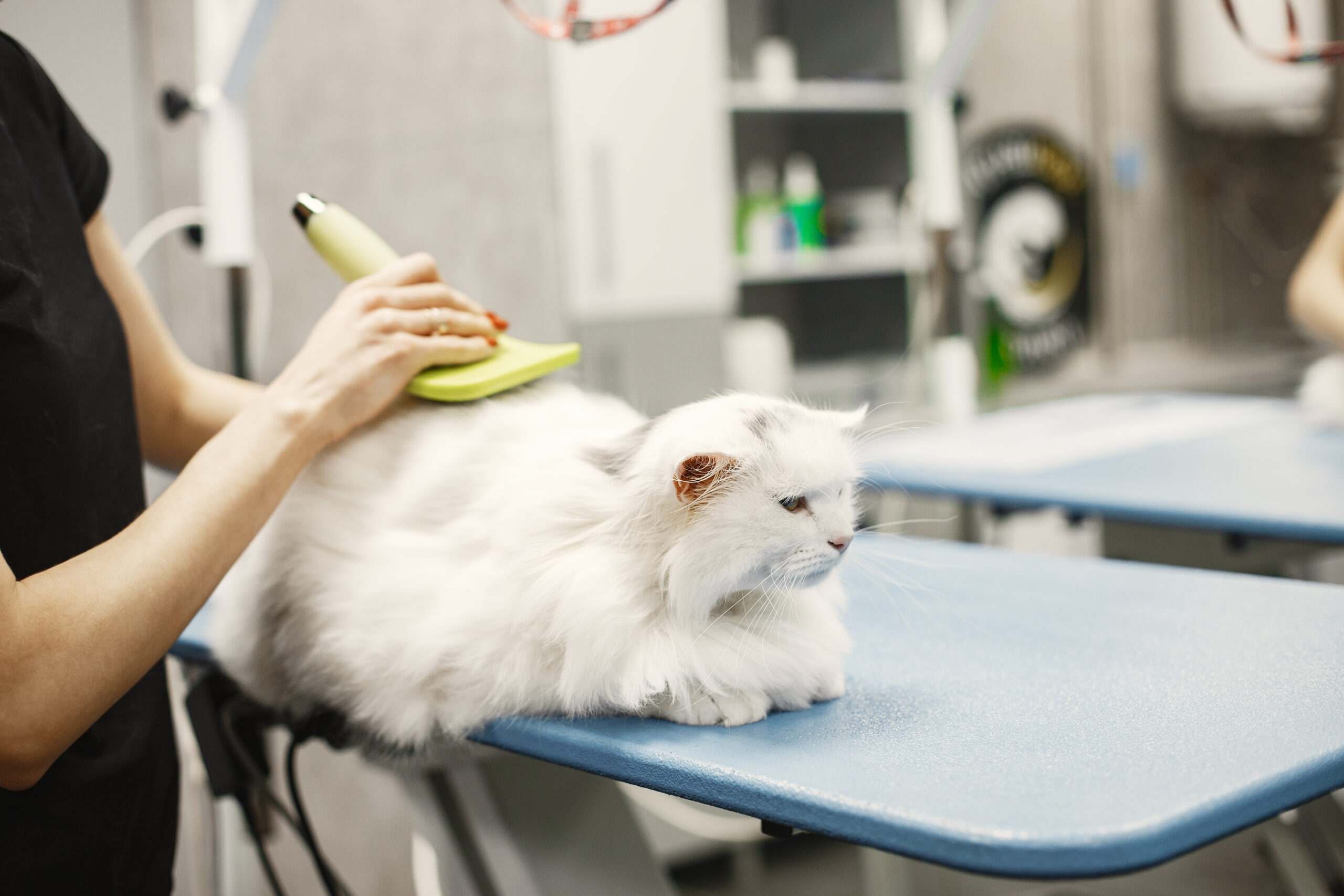
At The Groomer, we frequently identify cats with bald patches on their belly or legs. This is a red flag. Licking releases endorphins that soothe the cat. When a cat is stressed by your absence, they may groom themselves to the point of self harm.
3. Hyper Vigilance and Excessive Greeting
If your cat becomes an “extra shadow” the moment you return, or if they show extreme distress when you pick up your keys, you are looking at clear cat separation anxiety signs. They are anticipating the departure and the subsequent loss of security.
Comparative Analysis of Distress Signals
Understanding the difference between canine and feline responses is vital for proper intervention.
Behavioral Category | Canine Symptoms | Feline Symptoms |
Physical Damage | Chewing furniture and digging at doors | Shredding paper or knocking over items |
Vocalization | Persistent howling and barking | Loud, mournful yowling |
Grooming | Licking paws until raw | Pulling out clumps of fur (overgrooming) |
Greeting | Frantic and high energy | Intense following or “clinging” |
Elimination | Urinating near exit points | Urinating on the owner’s bed or laundry |
The Logistical Connection Grooming and Anxiety
There is a direct link between a pet’s mental state and their physical appearance. High stress levels lead to a “dull” coat and skin issues. When an animal is in a state of constant anxiety, their body diverts resources away from non essential systems like fur growth and toward the “fight or flight” response.
This is why we advocate for safe pet grooming services that minimize the “friction” of the experience. A traditional salon visit involves a car ride, a loud environment, and exposure to other stressed animals. For a pet already dealing with separation issues, this can be the tipping point.
By choosing a mobile solution through The Groomer, you are managing the animal’s stress load. The service happens in their own territory. There is no separation from their home base. This is a strategic move to maintain the pet’s biological assets without compromising their mental health.
Operational Strategies for Mitigation
If you identify these symptoms, you must implement a protocol to lower the animal’s baseline stress.
- Desensitization to “Departure Cues”: Put on your shoes or pick up your keys without actually leaving. This breaks the association between the cue and the anxiety.
- High Value Distractions: Provide a “job” for the pet while you are gone. A puzzle toy or a slow feeder provides the mental stimulation required to keep the brain occupied.
- Environmental Optimization: Use calming pheromone diffusers or white noise machines to muffle the sounds of the hallway or the street.
- Professional Intervention: If the symptoms are severe, consult with a veterinary behaviorist. In 2026, we have access to pharmaceutical and therapeutic options that can stabilize the animal’s chemistry while you work on behavioral training.
Conclusion
Separation anxiety is a complex logistical problem that requires a multifaceted solution. Whether you are managing dog separation anxiety symptoms or looking for cat separation anxiety signs, the goal is to rebuild the pet’s sense of autonomy and security.
Your pet’s health is an integrated system. Their mental well being is just as important as their nutrition and grooming. By identifying the signs early and optimizing their environment, you protect your most valuable emotional asset.
We are committed to providing a low stress experience that supports the health of your pet. We understand the unique challenges of the Dubai lifestyle and we are here to help you maintain the high performance life of your dog or cat.
Book our stress free grooming options at The Groomer.
FAQs
1. What is separation anxiety in pets?
Separation anxiety is when a pet panics because they are left alone. It’s not bad behavior, but a real fear of being separated from their owner.
2. What are the key signs in dogs?
Look for destructive chewing near doors, constant barking or howling, and indoor accidents. These are clear signs of distress, not spite.
3. How does separation anxiety show in cats?
Cats may urinate on your bed or clothes, groom themselves until they have bald spots, or follow you excessively when you’re home.
4. How can The Groomer's service help my anxious pet?
Our mobile grooming service comes to your home. This reduces stress by avoiding a scary car ride and unfamiliar salon, keeping your pet in their safe space.
5. Why is a stressed pet's grooming important?
Chronic anxiety can harm your pet’s skin and coat. We provide calm, professional care to support their overall well-being without adding more stress.
Recent Post
Dog Grooming Signs You Should Never Ignore
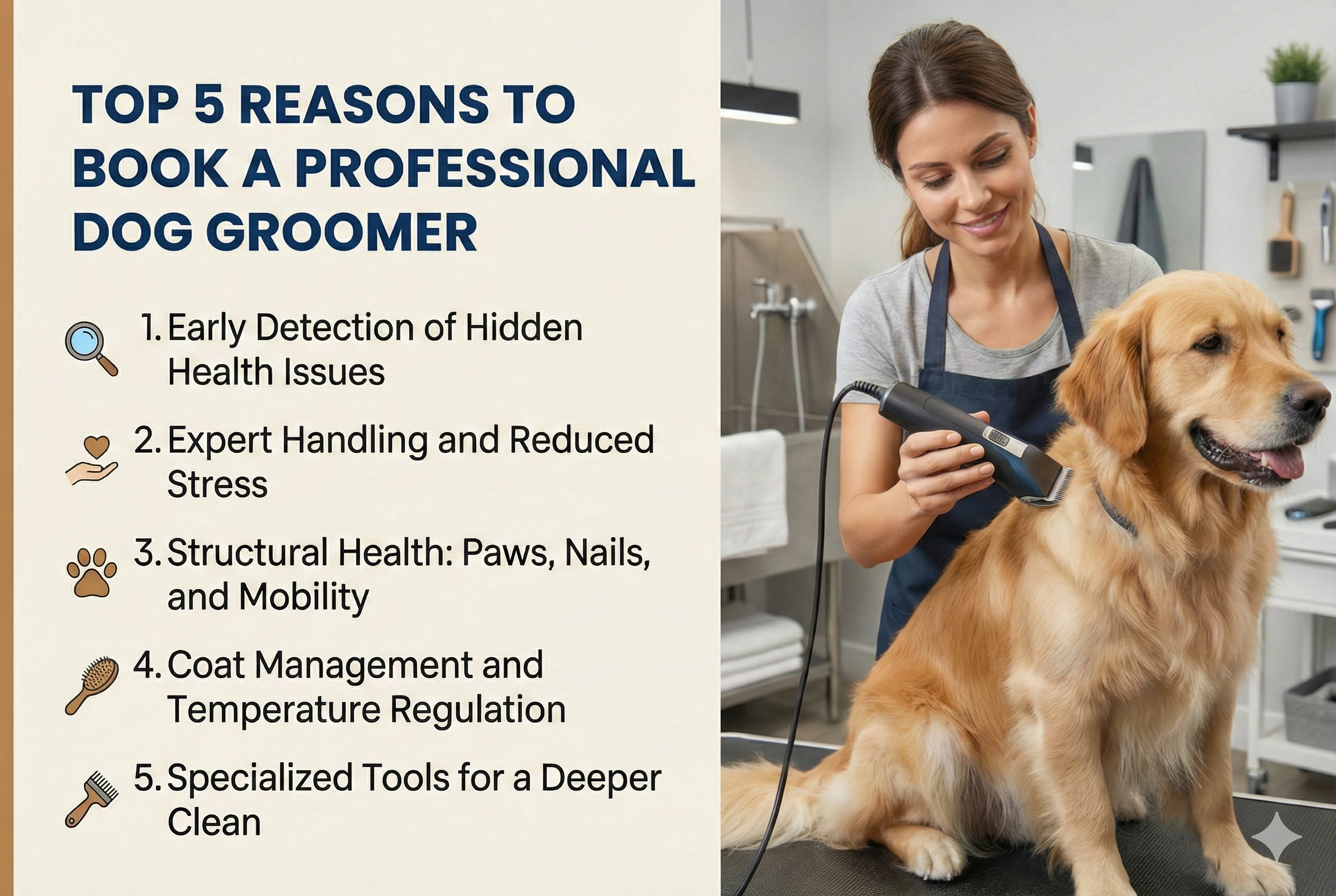
Top 5 Reasons to Book a Professional Dog Grooming Services
Affordable and Professional Cat Grooming in Dubai