Here are 5 Grooming Habits That Help Reduce Shedding at Home
- Regular Brushing Routine
- Scheduled Baths With the Right Shampoo
- Proper Drying & Deshedding After Bath
- Coat-Healthy Diet & Supplements
- Regular Professional Grooming Sessions
Understanding and Reducing Your Pet’s Shedding
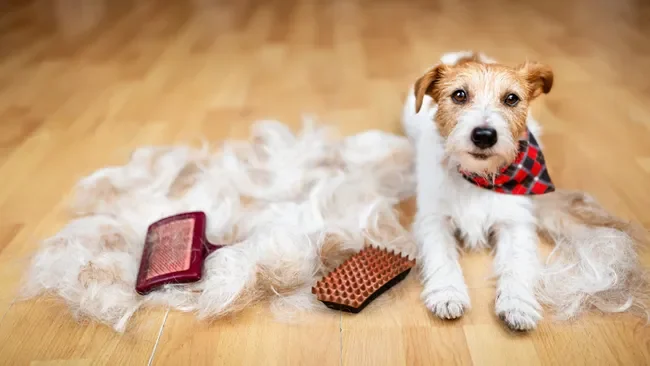
Dealing with pet hair is a constant challenge for many owners. It seems to get on every surface. The good news is that you can manage shedding with proper grooming.
First, know the difference between normal and excessive shedding. All pets shed as part of a healthy hair cycle, and it often gets worse with the seasons. But if the shedding is sudden or very heavy, it could signal a health problem. In these cases, it’s best to talk to your vet.
This guide provides simple, effective ways to manage your pet’s shedding. You will find practical tips for controlling dog and cat hair, along with easy pet grooming routines. All advice is based on recommendations from professional groomers and veterinarians.
Why Pets Shed: Understanding the Root Causes
Shedding is a natural process for almost all pets. Shedding is how your pet replaces old hair with new, healthy hair.
Pets with a double coat, like Huskies or German Shepherds, shed even more during seasonal changes. You will notice this most in spring and fall when they lose their thick undercoat. This is why some breeds are known for leaving more hair around the house.
While you can’t just change your pet’s, you can manage other key factors that affect shedding. Their diet, stress levels, and overall skin health all play a major role. For example, a diet lacking omega fatty acids can cause dry skin and increased shedding. Issues like allergies or parasites can also be a cause and need a vet’s diagnosis.
The most effective strategy is a consistent grooming routine tailored to your pet. This is the best way to keep excess hair under control.
A structured grooming routine is highly recommended by experts. It effectively removes loose fur before it can fall out around your home. This regular care also leads to a healthier, higher-quality coat and helps prevent normal shedding from becoming a major problem.
1. Regular Brushing Routine
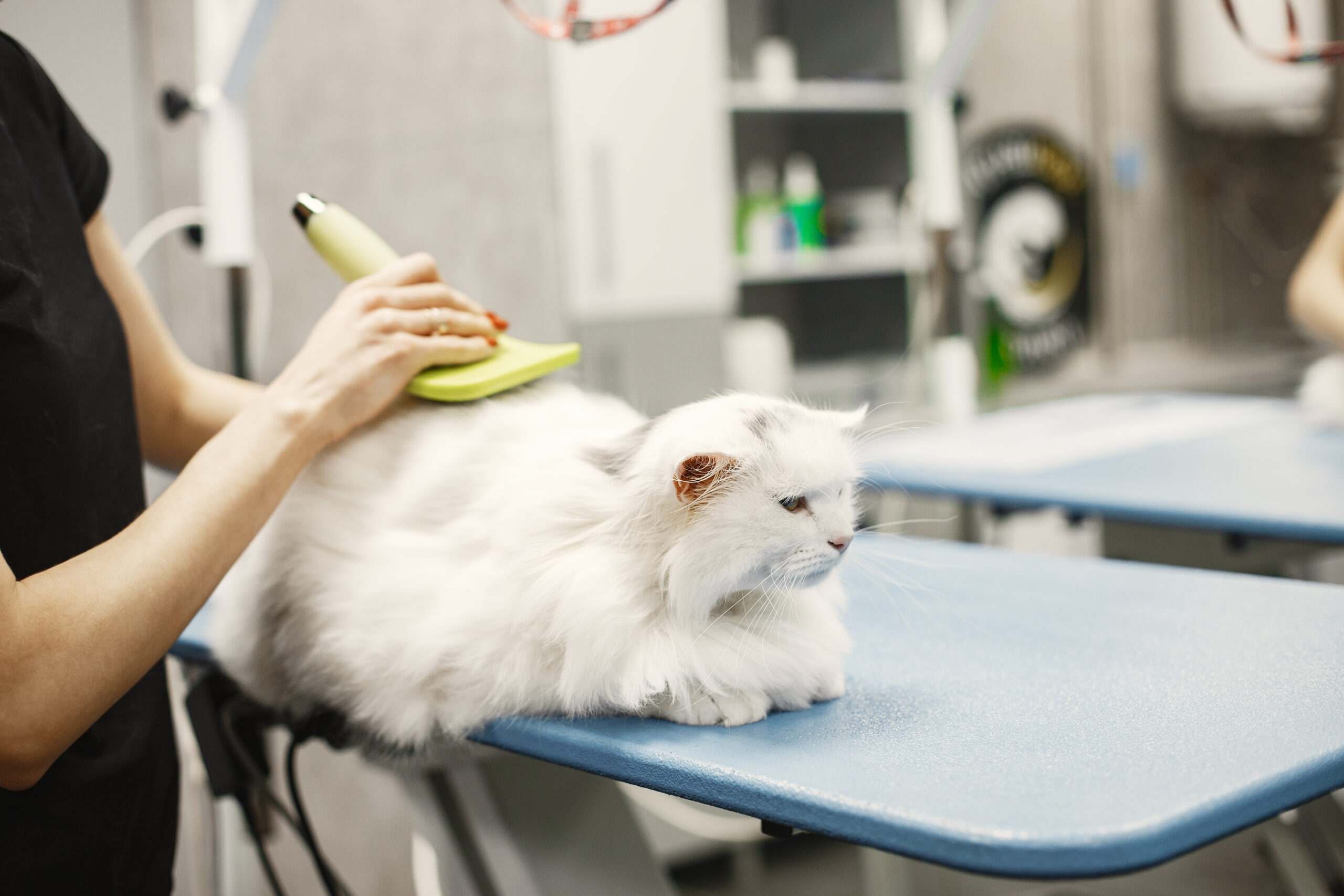
Brushing is the most reliable way to control shedding at home. It removes loose fur before it falls off around your house and stimulates healthy skin circulation.
Choose the right brush:
- Slicker brushes work well for long-haired dogs and cats.
- Deshedding tools (like undercoat rakes) remove dense, loose undercoats from double-coated breeds.
- Combs help detangle and smooth medium to long coats.
Frequency:
- Long-haired pets: Daily or every other day
- Medium-haired pets: 3 to 4 times a week
- Short-haired pets: 1 to 2 times a week
Match your brushing schedule to your pet’s coat type. Regular brushing is one of the most effective pet shedding tips and forms the base of good grooming maintenance.
Technique: Start by brushing in the direction of hair growth using gentle, even strokes. Avoid pressing too hard to prevent skin irritation. For thick coats, begin with a comb or rake and finish with a slicker brush for smoother results.
2. Scheduled Baths With the Right Shampoo
Bathing helps to loosen dead hair, which you can then brush out easily. However, bathing your pet too often can dry out their skin. This can actually lead to more shedding. The key is to find the right balance for your pet’s needs.
How it helps: Using warm water during a bath helps to open the hair follicles. This makes it easier to release and wash away all the loose, dead fur. A consistent bathing routine also helps prevent dry, flaky skin, which can be another cause of excess shedding.
Use the correct shampoo:
- Regular dog shampoo works for mild shedding.
- Deshedding shampoos contain omega-rich ingredients and coat conditioners that reduce breakage.
- For cats, only use cat-safe shampoos recommended by groomers or vets.
Frequency:
- Dogs: Every 3 to 4 weeks
- Cats: Only when needed or based on professional guidance
Always use warm water, as hot water can dry and irritate your pet’s skin. After lathering, rinse thoroughly until the water runs completely clear. Any leftover shampoo can cause itching and flaking. Many professional groomers also recommend using a conditioner after the bath. This final step helps to moisturize the skin and keep the coat soft and healthy.
3. Proper Drying & Deshedding After Bath
Drying correctly makes a significant difference. Wet fur traps loose hair, so drying thoroughly reduces shedding.
Towel Dry + Blow Dry: Start with a towel to remove moisture. For dogs, use a blow dryer on the lowest heat setting and keep a safe distance to avoid overheating. For cats, towel drying is usually enough unless they tolerate dryers well.
Post-bath deshedding: Once the coat is fully dry, use a deshedding brush or grooming rake. This is when loose undercoat releases the most. Many groomers perform a second round of brushing after drying because it removes hair that regular brushing often misses.
Mistakes to avoid:
- High-heat dryers
- Pulling tangled fur
- Brushing a damp coat on long-haired pets
This step directly supports dog hair fall solutions and cat shedding control, especially during peak shedding seasons.
4. Coat-Healthy Diet & Supplements
A pet’s coat reflects its nutrition. Balanced diets reduce inflammation, dryness, and hair breakage.
Key nutrients for coat health:
- Omega-3 fatty acids: Found in fish oil, help with skin hydration and reduce shedding.
- High-quality proteins: Essential for hair growth and strength.
- Hydration: Adequate water intake supports overall skin and coat health.
Choose pet foods that have real meat as the main ingredient and contain omega-3 and omega-6 oils. These nutrients are vital for a healthy skin and coat.
If your pet is still shedding heavily despite regular grooming, talk to your veterinarian. They can advise if a supplement, like fish oil, is a good option for your pet. This follows expert advice that a balanced diet rich in fatty acids is key to managing shedding.
5. Regular Professional Grooming Sessions
While at-home care is important, professional grooming provides deeper coat maintenance.
When to visit a groomer:
- Thick undercoat buildup
- Seasonal shedding periods
- Long-haired breeds prone to matting
- When home brushing isn’t enough
Professional groomers have powerful dryers and special tools. This equipment is designed to remove a much larger amount of loose undercoat than regular brushes can at home.
A major added benefit is their trained eye. During a session, they can spot early warning signs of skin problems, painful mats, or other coat damage that you might miss.
At The Groomer, we bring our complete service directly to your home. We provide thorough brushing, deep deshedding treatments, bathing, and careful drying. Our professional at-home care effectively reduces your pet’s loose hair while ensuring they stay relaxed and comfortable in their own environment.
Additional Bonus Tips for Managing Shedding at Home
Even with good grooming, some shedding is unavoidable. These simple home adjustments help:
- Use lint rollers and washable furniture covers.
- Vacuum regularly using a pet-specific brush attachment.
- Air purifiers help reduce airborne dander and fur.
- Wash pet bedding weekly to prevent buildup.
- If shedding suddenly increases or appears patchy, consult a vet for guidance.
Conclusion
Shedding is natural, but it doesn’t have to be so much. By sticking to a regular routine of brushing, proper bathing, and using the right drying techniques, you can make a huge difference. Supporting this with a good diet and occasional professional grooming will greatly reduce loose hair. These habits lead to a healthier coat, a more comfortable pet, and a much cleaner house.
If you maintain these five key habits, you will see a clear reduction in loose hair and a healthier, shinier coat on your pet. Let grooming become a simple, regular part of your life together—not a difficult task.
FAQs
1. How often should I brush my pet to control shedding?
The frequency depends on their coat type. Long-haired pets need daily brushing, medium-haired pets 3 to 4 times a week, and short-haired pets 1 to 2 times a week.
2. Can bathing my pet more often reduce shedding?
Not necessarily. Over-bathing can dry out their skin and increase shedding. Stick to a schedule of every 3 to 4 weeks for dogs, using a deshedding shampoo.
3. What is the best diet to minimize shedding?
Feed a high-quality diet with real meat as the first ingredient and omega-3 fatty acids. Supplements like fish oil can also promote skin and coat health.
4. What makes The Groomers' deshedding service more effective than doing it myself?
We use professional-grade dryers and tools that remove significantly more loose undercoats. Our trained eye also spots potential skin issues you might miss at home.
5. Do you use any special products during a grooming session?
Yes, we use professional deshedding shampoos and conditioners. Our products are specifically formulated with omega-rich ingredients to moisturize the skin and reduce future breakage.
Recent Post
Dog Grooming Signs You Should Never Ignore
Top 5 Reasons to Book a Professional Dog Grooming Services
Affordable and Professional Cat Grooming in Dubai